





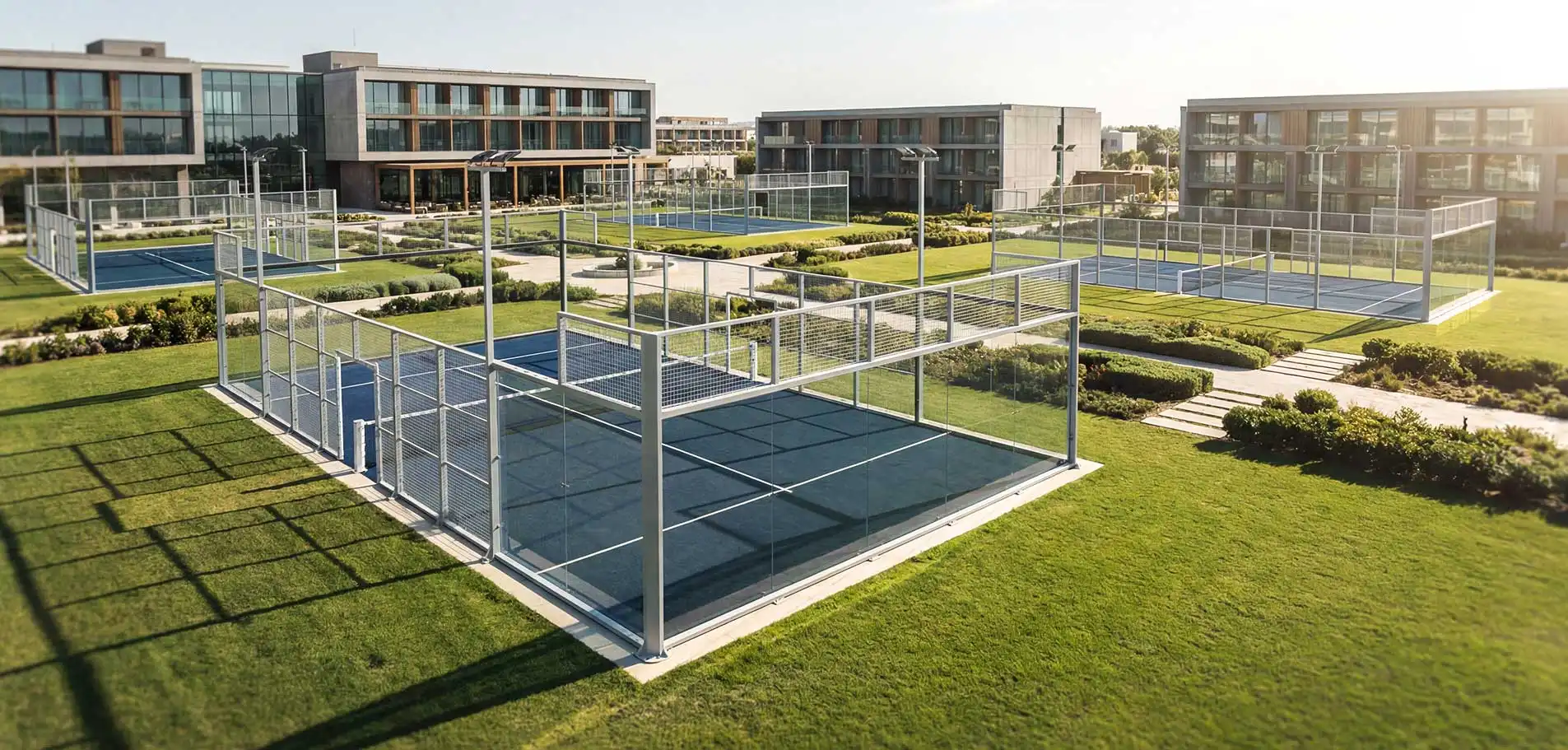
Padel Court Steel Construction Systems
The rapid global growth of padel is increasing the demand for professional, long-lasting padel courts every day. However, a high-performance padel court consists of more than just the playing surface and glass panels. One of the most important elements determining the court’s safety, durability, and service life is the padel court steel construction system.
Particularly in padel courts exposed to outdoor conditions or designed for year-round use with a roofing system, the steel structure is the project’s primary load-bearing element. The effects arising from wind, rain, snow loads, temperature changes, and intensive use can only be resisted by a strong construction system designed through proper engineering calculations.
Stila brings its engineering experience in sports facilities and steel structural systems to the padel courts developed by WePadel. The steel load-bearing systems, columns, connection components and, in particular, roof structures of WePadel courts are brought to life through Stila’s engineering, manufacturing, and installation capabilities.
If you are planning to establish an outdoor, semi-enclosed, or fully enclosed padel facility, you should pay attention not only to the court model but also to the quality of the steel structure supporting the court. Contact Stila and WePadel specialists to request a quotation for a padel court and roofing solution tailored to your project.
What Is Padel Court Steel Construction?
A padel court steel structure is an engineered structure that supports the court’s glass panels, wire mesh systems, lighting poles, doors and, where required, its roofing system. This system is far more comprehensive than the simple metal profiles surrounding the court.
A professional construction system may consist of the following main components:
- Main load-bearing steel columns
- Horizontal and vertical connection profiles
- Steel frames supporting the glass panels
- Wire mesh support systems
- Door and entrance frames
- Lighting poles and connection points
- Roof trusses and load-bearing roof components
- Cross-bracing and reinforcement components
- Anchor plates and foundation connections
- Rainwater drainage systems
- Protective paint or galvanized coating applications
Each of these components directly affects the court’s safety, aesthetic appearance, and playing performance. Incorrectly sized profiles, inadequate connections, or unsuitable materials can lead over time to problems such as vibration, corrosion, loosening of glass connections, and structural deformation.
In solutions developed by Stila, the construction system is designed around the needs of the project site. The court’s location, ground conditions, climate, roof span, and intensity of use are assessed to create a suitable load-bearing system.
The Importance of Steel Structures in Padel Courts
Glass surfaces are an active part of play on padel courts. Because the ball rebounds from the glass, players constantly use the court’s perimeter surfaces during a match. The steel structure supporting the glass panels must therefore be rigid, balanced, and correctly secured.
A weak or improperly engineered steel structure does more than create a structural problem. It can also adversely affect player safety, the ball’s rebound behavior off the glass, and the court’s overall playing quality.
A high-quality padel court steel structure provides the following advantages:
- It ensures that the glass panels are supported safely.
- It reduces vibration around the court.
- It provides resistance to outdoor weather conditions.
- It allows lighting systems to be integrated safely.
- It helps the court retain its shape for many years.
- It creates a strong foundation for a roofing system.
- It helps keep maintenance and operating costs under control.
- It completes the facility’s professional and aesthetic appearance.
When purchasing a padel court, the structure’s long-term performance should be assessed rather than focusing solely on the initial installation cost. A durable steel system helps reduce the need for repairs and refurbishment in later years.
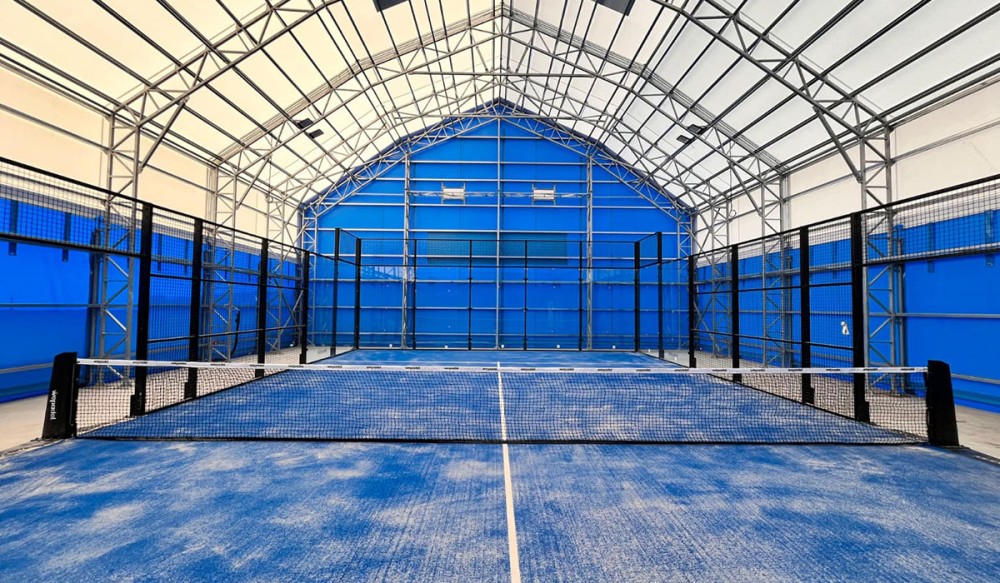
Stila Engineering in WePadel Courts
WePadel develops professional padel courts for different uses, facility types, and investment models. The courts’ playing areas, glass systems, wire mesh, synthetic turf surfaces, lighting, and other technical components are prepared through an integrated project approach.
Stila’s engineering and manufacturing experience is utilized for the load-bearing steel systems of these courts. Stila engineers the steel construction solutions developed for sports facilities to meet the requirements of WePadel courts.
Through this brand partnership, the different components of a padel court are treated not as independent systems but as a single engineering whole. This ensures that the steel columns are compatible with the glass dimensions, the lighting systems with the load-bearing components, and the roof structure with the court geometry.
This enables the design, manufacturing, supply, and installation processes to proceed in a more controlled manner for investors.
If you are planning to establish a professional padel club or add new padel courts to your existing sports facility, you can evaluate WePadel court models and Stila steel construction solutions within the scope of a single project.
Steel Roof Systems for Indoor Padel Courts
One of the most important considerations in padel investments is making the courts available for use throughout the year. Although outdoor padel courts offer high utilization in sunny and suitable weather, factors such as rain, snow, strong winds, and extreme temperatures can limit the period during which a court can be used.
For this reason, many investors and padel clubs choose to install a roofing system over their courts. Indoor or covered padel courts can help reduce weather-related cancellations and enable the facility to generate revenue more consistently.
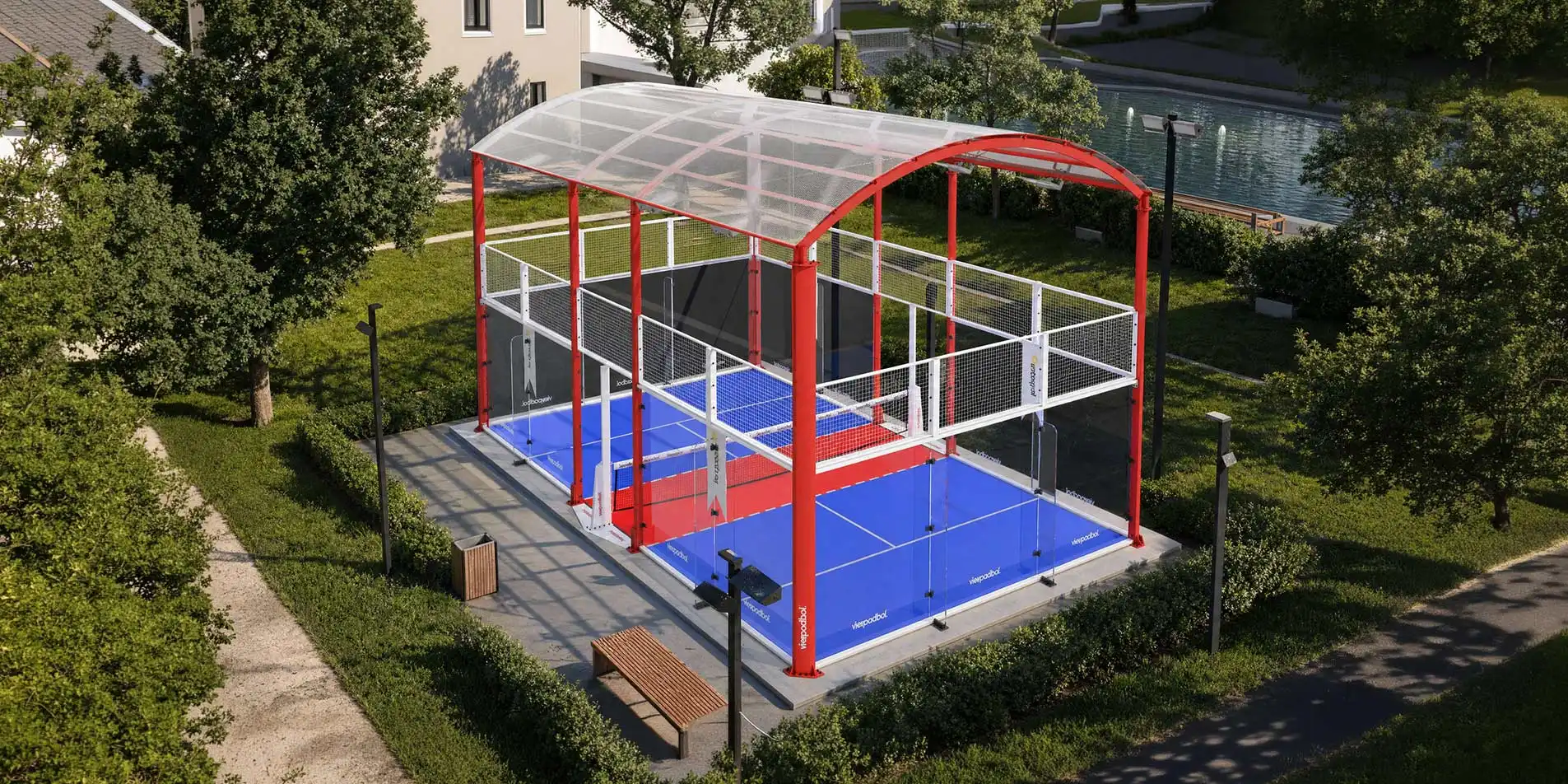
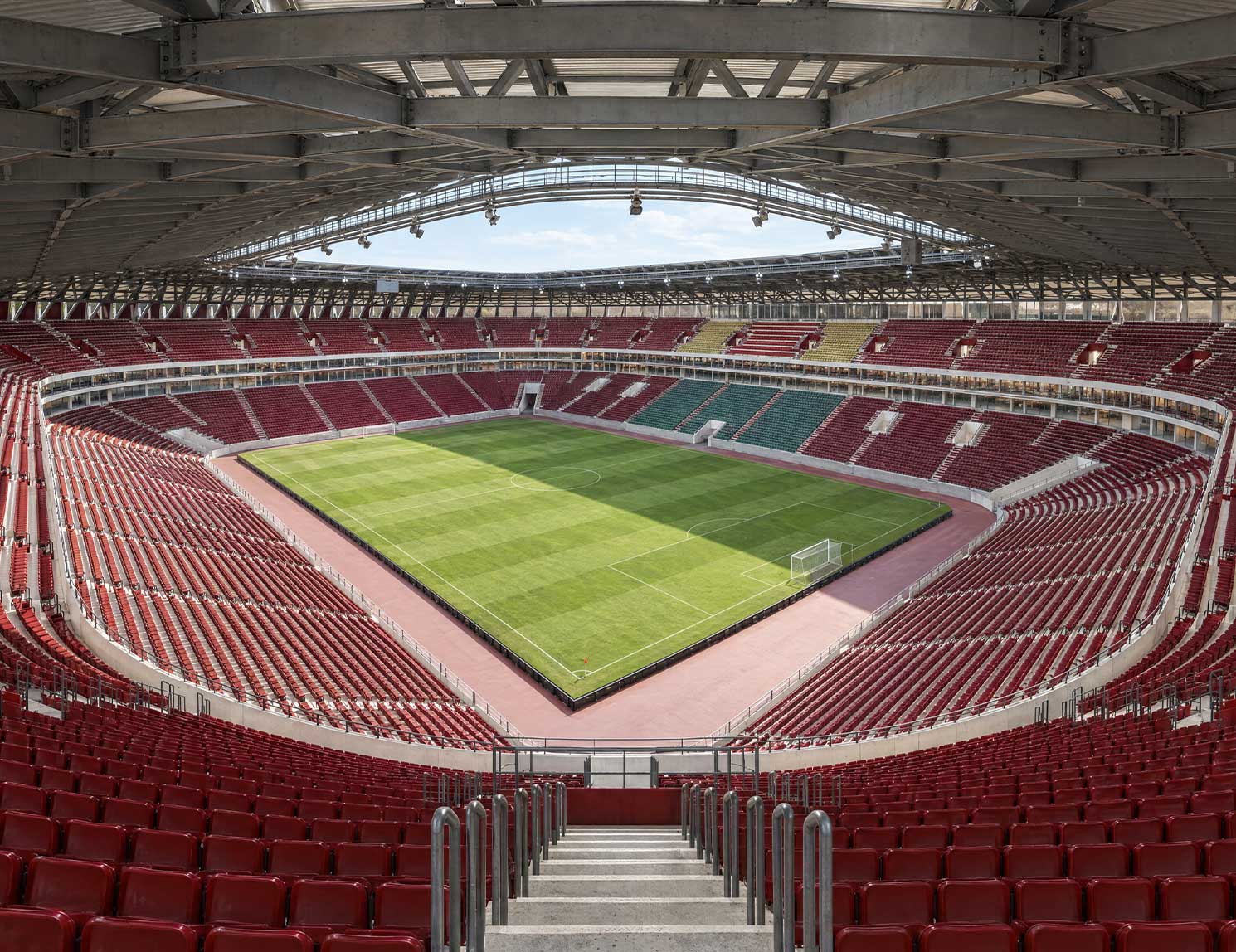
Padel court roof systems designed by Stila are built with steel supports suited to the court dimensions and project site. Main columns, roof trusses, purlins, cross-bracing, and cladding supports are combined to create a durable roof substructure.
Simply covering the court is not enough. The roof system must:
- Not obstruct the court’s playing area,
- Provide sufficient clear internal height for players,
- Accommodate high shots,
- Not reduce lighting performance,
- Drain rainwater in a controlled manner,
- Withstand wind effects,
- Work compatibly with side enclosure systems where required.
Stila evaluates these needs on a project-specific basis and develops functional, long-lasting roofing solutions for padel courts.
Advantages of Roofed Padel Courts
Covering a padel court with steel construction and suitable roofing materials can significantly improve the investment’s operating performance.
1. Year-Round Use
Roofed padel courts are better protected against rain, snow, and direct sunlight. This allows the facility to serve players during more periods of the year.
Reducing the likelihood of court reservations being canceled because of the weather benefits both user satisfaction and operating revenue.
2. Improved Playing Comfort
The roofing system reduces players’ exposure to direct sunlight and precipitation. With proper ventilation and height planning, a more controlled playing environment can be created.
3. Protection of the Surface and Equipment
Rain, intense sunlight, and outdoor conditions can affect the service life of the synthetic turf surface, net systems, lighting equipment, and other court components.
The roof system can reduce maintenance needs by helping to limit the court equipment’s exposure to external factors.
4. Support for Operating Revenue
A longer operating period means greater booking potential. Especially for padel clubs, sports centers, hotels, and commercial facilities, a court system that operates year-round can support the return on investment.
5. Increased Facility Value
A professionally designed indoor padel area enhances the facility’s overall appearance and service quality. Aesthetic, durable, and custom-branded steel structures can distinguish a padel club from its competitors.
You can also transform your outdoor padel courts into a sports area that can be used in all four seasons by enclosing them. Request a roofing quotation from Stila for your existing court or new investment.
How Is a Padel Court Roof Designed?
The design process for a padel court roof begins with a technical assessment of the project site. The same dimensions and load-bearing system cannot be applied to every project. The region’s climate, wind conditions, snow loads, ground structure, and the facility’s architectural characteristics directly affect the design.
1. Project Site Assessment
At the first stage, the site where the court will be installed, or where the existing court is located, is assessed. Site dimensions, level differences, foundation conditions, surrounding structures, and access points are examined.
If an existing padel court is to be covered, its load-bearing system must also be checked. Transferring the new roof loads to the existing court profiles may not always be appropriate. Independent main columns may therefore need to be designed for the roof system.
2. Determining the Intended Use
It is determined whether the facility only needs protection from rain or whether a fully enclosed sports area is to be created.
The following options may be considered within the project scope:
- Roof-only system with open sides
- System with partial side enclosures
- Fully enclosed padel facility
- Shared roof covering multiple courts
- Independent roof for a single court
- Retrofit enclosure installed over an existing court
- Padel club structure designed together with social areas
The intended use affects the span and height of the steel system and the choice of cladding material.
3. Performing Structural Calculations
The load-bearing profiles of the roof system are calculated according to the load conditions at the project site. Column sections, roof trusses, cross-bracing, and foundation anchors are specified on the basis of these calculations.
The aim is not only to create a strong structure but also to use materials efficiently in order to produce a safe and economical system.
4. Planning the Clear Internal Height
In padel, the ball can reach high points. The roof height must therefore be planned so that it does not restrict playing performance.
Roof trusses, lighting fixtures, and other technical components must not adversely affect the playing area. Particularly in facilities intended for professional use, the clear internal height must be calculated carefully.
5. Designing Rainwater Drainage
Water accumulating on the roof surface must be removed in a controlled manner. The roof pitch, gutters, and downpipes are positioned according to the project site.
Uncontrolled rainwater discharge can cause water to accumulate around the court, create foundation problems, and inconvenience users.
Why Is Galvanized Steel Preferred?
Most padel courts are located outdoors or in semi-open areas. Steel components must therefore be protected against rain, moisture, and temperature changes.
Galvanizing is based on coating the steel surface with a layer of zinc. This protective layer helps increase the steel’s resistance to environmental factors.
The principal advantages of galvanized steel construction for padel courts are:
- High resistance to corrosion
- Suitability for outdoor conditions
- Long service life
- Lower maintenance requirements
- Aesthetic and uniform surface appearance
- Compatibility with paint systems
- Suitability for intensively used sports facilities
Stila uses galvanized steel profiles, protective coating systems, and appropriate connection details according to the project requirements. This supports the long-term performance of the court structure and load-bearing roof components.
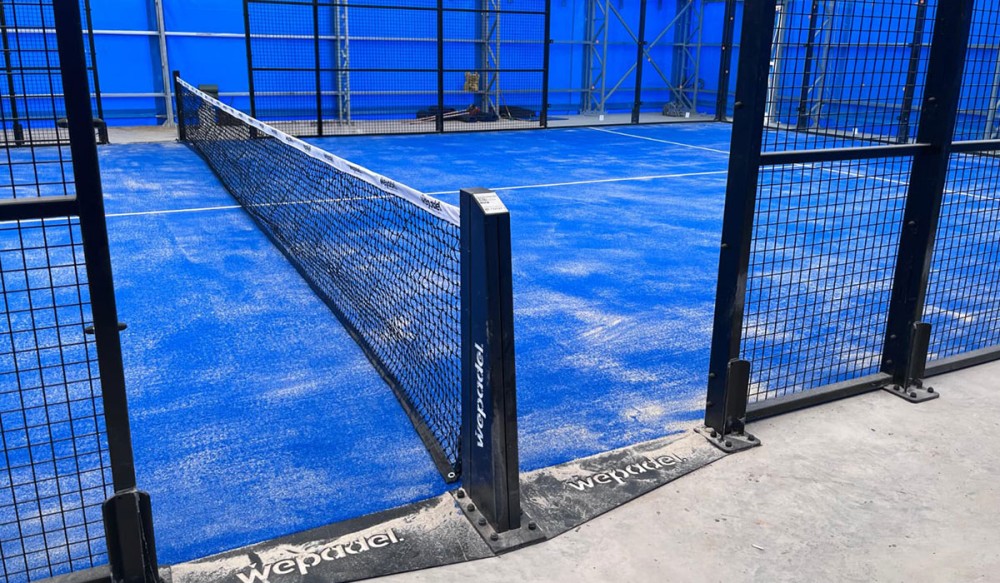
Shared Roof Solutions for Multiple Padel Courts
Padel club investments often involve plans for two, three, four, or more courts rather than a single court. In these projects, a shared steel roof system covering all the courts can be designed instead of building a separate roof for each court.
Shared roof systems create a more integrated area of use between the courts. Reception areas, lounges, changing rooms, technical rooms, and spectator areas can also be planned under the same structure.
Stila’s experience with long-span steel structures provides a significant advantage in multi-court padel projects. Column positions are arranged so they do not obstruct the playing areas or user circulation. Connections between the courts, lighting systems, and service routes are addressed within the overall project.
These systems are particularly suitable for the following investments:
- Professional padel clubs
- Sports complexes
- Hotels and resorts
- Municipally owned sports centers
- Educational institutions
- Residential and mixed-use developments
- Social clubs
- Commercial sports facilities
If you are planning to invest in a padel club with multiple courts, you can make your project more efficient by managing the entire process, from court layout to the steel roof system, with a professional team.
Can Existing Padel Courts Be Covered?
Yes, a roofing system can be retrofitted over existing padel courts. However, the court and project site must be technically assessed before this work begins.
It should not be assumed that the existing court’s load-bearing profiles can support the roof system directly. The padel court frame may have been designed to support the glass and wire mesh, but it may not be sufficient to carry the loads of a long-span roof.
For this reason, Stila can develop solutions for existing courts consisting of independent steel columns and roof trusses. This transfers the roof loads directly to an appropriate foundation system and prevents uncontrolled loads from being imposed on the existing court structure.
The following matters are assessed before implementation:
- Dimensions of the existing court
- Distances between the courts
- Available surrounding area
- Locations where foundations can be built
- Roof height
- Rainwater drainage directions
- Lighting system
- Wind and snow load conditions
- Required side enclosure systems
- The facility’s daily operating plan
You can benefit from Stila’s padel court enclosure solutions to protect your existing court from outdoor weather conditions and use it more efficiently throughout the year.
Padel Court Steel Construction Manufacturing Process
The success of steel construction systems depends not only on design but also on manufacturing quality. The dimensions specified in the project must be transferred accurately to production, connection points must be prepared precisely, and components must be manufactured in accordance with the assembly sequence.
The manufacturing process generally includes the following stages:
- Preparation of technical measurements and project information
- Engineering calculations for the load-bearing system
- Cutting the steel profiles according to the project
- Preparation of connection plates and joint details
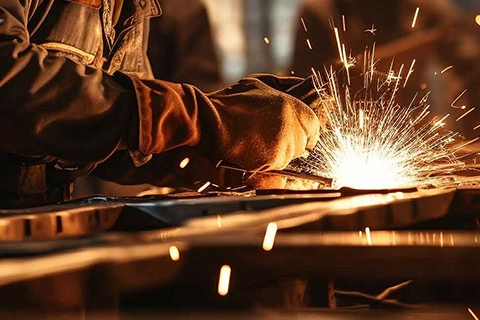
- Completion of welding and mechanical connection work
- Surface cleaning and protective coating applications
- Galvanizing or painting
- Quality inspections
- Packaging the components appropriately for shipment
- On-site assembly and final checks
Coordination between Stila’s manufacturing and site teams helps ensure that the steel components are assembled correctly and quickly at the installation site.
Installation and Turnkey Padel Court Projects
Working separately with different suppliers on padel court investments can complicate process management. Dimensional or installation incompatibilities may arise between the court structure, glass systems, surface, lighting, and roof systems.
The partnership between WePadel and Stila allows these components to be prepared in a coordinated manner. While WePadel manages the padel court’s playing and operational requirements, Stila provides engineering support for the steel construction, roofing, and structural systems.
Depending on the scope of the project, the following services can be planned together:
- Padel court design
- Steel construction manufacturing
- Glass and wire mesh systems
- Synthetic turf installation
- Professional court lighting
- Steel roof system
- Side wall enclosures
- Rainwater drainage systems
- Logistics and international shipping
- On-site installation
- Technical inspection and handover
This integrated approach reduces the investor’s need to manage coordination among individual suppliers.
What Should You Consider When Buying a Padel Court?
When deciding to purchase a padel court, neither the court’s visual design nor its sale price should be the only consideration. The technical specifications of the steel construction and the manufacturer’s engineering capabilities should also be investigated.
The following questions should be answered before purchase:
- What specifications do the steel profiles have?
- Is the structure designed for the project site?
- How are the steel surfaces protected against corrosion?
- Are the glass connections safe and easy to maintain?
- How are the lighting poles attached to the structure?
- Can the roofing system be added later?
- Can a roof be installed over the existing court?
- Are wind and snow loads assessed on a project-specific basis?
- Is installation service provided?
- Are spare parts and technical support provided?
- Does the same team coordinate the manufacturing and installation processes?
Stila and WePadel aim not only to sell a padel court but also to assess the investment’s technical requirements as a whole.
Strong with Stila, Professional Padel Courts with WePadel
A long-lasting, safe, and professional padel court depends on bringing together the right playing surface, high-quality glass systems, and a strong steel structure.
WePadel’s expertise in padel court manufacturing and Stila’s strength in steel structures, roofing, and engineering come together in the same project. This partnership enables solutions to be developed at different scales, from bespoke single-court projects to professional padel clubs with many courts.
Stila’s strong steel load-bearing systems support the safe use of padel courts for many years. Its roofing solutions help transform outdoor courts into more efficient sports areas that can be used in all four seasons.
If you are planning a new padel investment, want to cover your existing court, or intend to establish a professional multi-court padel club, entrust your project to specialist teams.
Contact us to explore WePadel padel court models and learn about Stila steel construction and roofing solutions. Let us bring your professional padel facility to life together with project-specific design, manufacturing, shipping, and installation options.