







Portable Tribune Construction
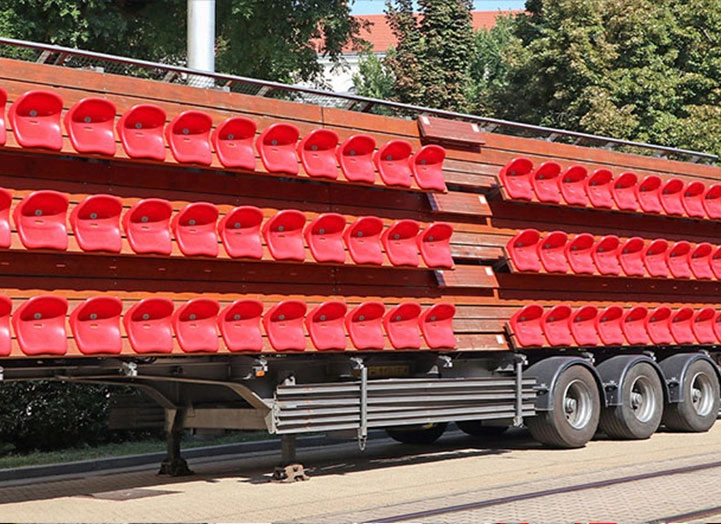
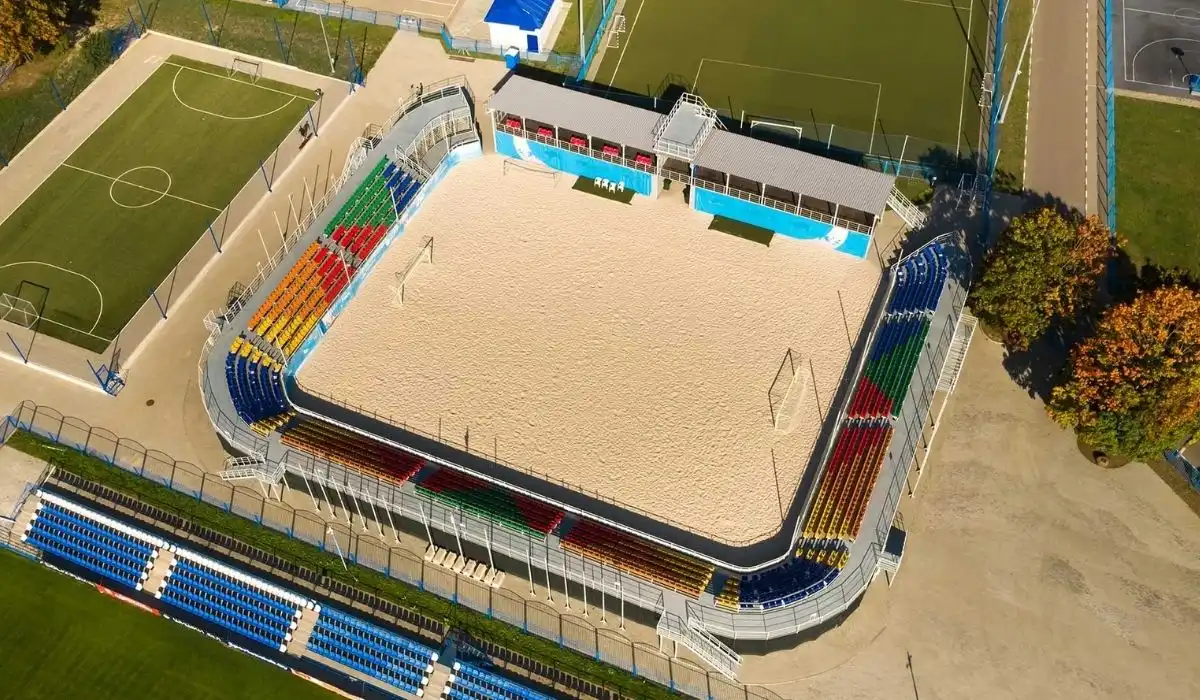
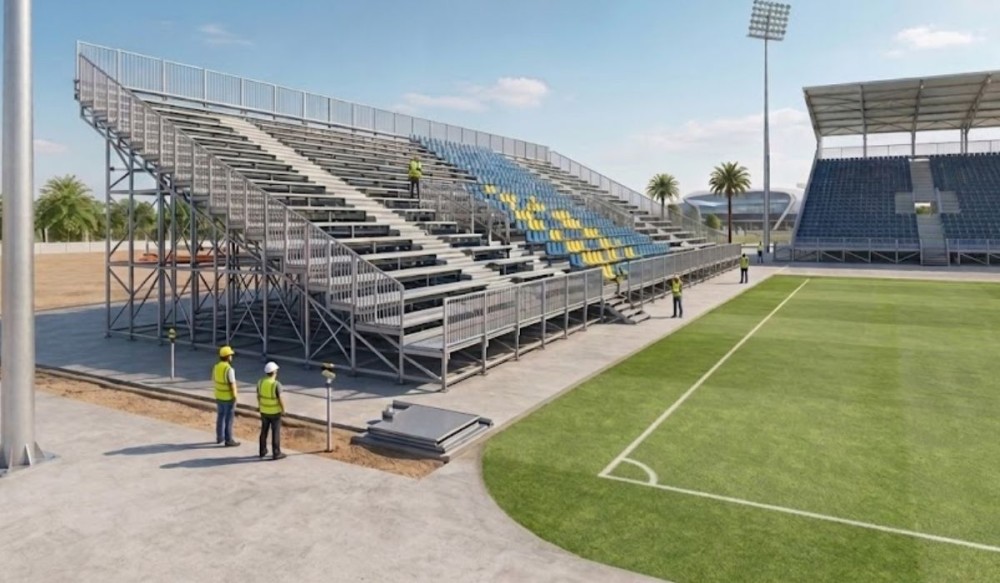
In regional sports organizations, festivals, school tournaments, and temporary capacity expansion projects of existing stadiums, the demand for temporary sports structures that offer fast installation and portability advantages is increasing day by day. Saving time, labor, and budget on construction sites, modular and portable tribune systems are modern engineering solutions that offer flexible capacity management. For corporate investors, sports clubs, and public institutions, the portable nature of a tribune structure means that the same system can be used safely multiple times in different locations and for various events. This flexibility completely eliminates the risk of idle investment, directly optimizing the project's commercial return on investment (ROI).
Structural Safety Criteria in Portable Tribunes
In modular and portable tribune construction processes, structural balance and overturning safety are of vital importance since the structure is not permanently embedded or anchored into the ground concrete. In such temporary sports structures, safety depends entirely on the interlocking geometry of the steel modules and load distribution engineering. Therefore, when choosing a tribune manufacturer to partner with in corporate projects, the company's mastery of international temporary structure standards (EN 13200-6) and the following engineering competencies should be sought:
Geometric Interlocking and Rigidity Principles
The vertical pylons (flanges) and horizontal connection components (ledger ends or wedge systems) that make up the portable tribunes must be designed with a rigidity that will absorb the horizontal and vertical oscillations that occur when thousands of fans occupy the structure. Under dynamic loads caused by fans standing up, jumping, or moving rhythmically at the same time, the structure must flex, but this flexing must remain within millimetric limits and absolutely not lead to metal fatigue.
Base Load Distribution Engineering
The areas where portable systems will be installed may not always be a smooth foundation concrete. Regardless of whether the ground is soil, asphalt, grass, or tartan, special base plates (jack legs) that distribute the load homogeneously over a wide surface must be used to prevent the tribune feet from sinking into the ground under weight or sliding sideways. These systems must also have the mechanical capability to tolerate level differences and ground slopes in the field with millimetric precision.
Guardrail and Evacuation Barrier Strength
During matches or emergency evacuations, protection barriers are designed against the risk of overcrowding and stampedes that may occur at the edges and back of the tribune. It is mandatory that these guardrail systems have the static strength to withstand a horizontal load (pushing force) of at least 100 kg/m as prescribed by international standards, and the fabrication welding quality must be verified by non-destructive testing (NDT).
Seat Procurement in Large-Scale Projects
In public tenders, municipal projects, and corporate sports investments, the seat procurement process is one of the largest and most strategic items in budget management. To optimize project costs, investor companies and contractors look for stadium seats for sale directly through the manufacturer's subsidiary. However, while acting with a budget-oriented focus, technical criteria that directly concern athlete and spectator health should never be compromised. In professional and portable tribune projects, seat selection is shaped according to the following parameters:
Custom Seat Designs for Portable Structures
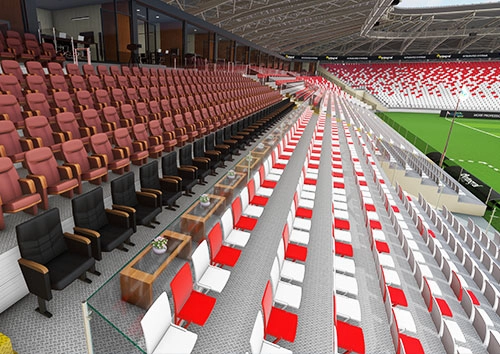
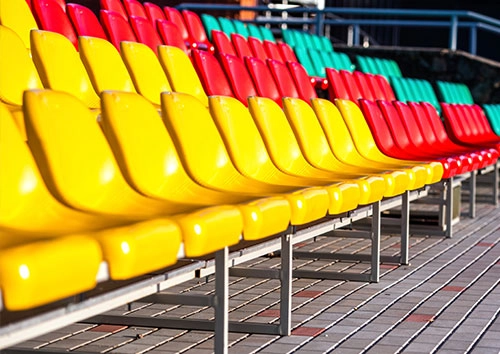
For the tribune structure to be easily dismantled, transported, and stored without damage after an event or season, the seats must also adapt to this flexibility. Accordingly, special portable tribune seats that do not occupy excessive volume, do not deform when the steel frame is disassembled, and allow rapid assembly-disassembly should be preferred. These seats make it possible to create maximum seating capacity without narrowing emergency escape corridors, even within limited riser and step distances.
Raw Material Quality and Resistance to Atmospheric Conditions
Seats to be used in open-air conditions must have high resistance to extreme ultraviolet (UV) rays, freezing risks, high temperatures, and human-induced impacts. Seats made from original polypropylene or copolymer raw materials using injection technology, which have passed mechanical strength tests under EN 12727 standards, minimize operating costs for many years by preventing embrittlement and cracking.
Fire and Liquid Drainage Engineering
Fire safety is the most critical threshold in sports areas where thousands of people are present simultaneously. It is an international requirement that the seats have flame-retardant properties of class V2 or V0 according to UL94 standards, thanks to retardants added to the raw material during the production stage. In addition, gravity-based water drainage channels must be present on the seat surfaces to prevent water puddles in open areas.
Modular Solutions for Flexible Sports Areas
For temporary event areas and stadiums that require dynamic capacity expansion, modular structures are the most rational alternative compared to reinforced concrete buildings in terms of both cost and operational flexibility. However, the fact that the structure is not permanently fixed to the concrete ground doubles the engineering responsibility for stability and overturning safety. Choosing locking mechanisms whose quality has not been proven by independent tests, or selecting substandard portable tribune seats, can compromise spectator safety and lead to investment failure.
Stila Structure brings together safety and functionality at the highest level in portable and flexible sports architecture. We facilitate the logistical and operational processes of your projects with our portable steel structures manufactured in full compliance with EN 13200-6 (Temporary Grandstands Standards) regulations, and our certified, wear-resistant stadium seats for sale options. You can get support from our expert technical staff today to examine the technical specifications of our flexible modular systems that can adapt to different ground structures, review our corporate references, and bring your project to life quickly.