








Steel Tribune Guide for Schools and Sports Facilities
Schoolyards, university campuses, and local sports facilities are the most dynamic areas where young people develop and communities gather. However, the quality of events held in these venues depends not only on the pitch surface but also on how safely and comfortably spectators and students watch. For educational institutions and sports facility managers, choosing modern steel solutions over traditional concrete structures protects limited budgets and reduces construction time from weeks to days. In this guide, we cover all the details of building a safe tribune area from scratch for your school and sports facilities.
Why Choose Steel Tribune Construction for Schools and Sports Facilities?
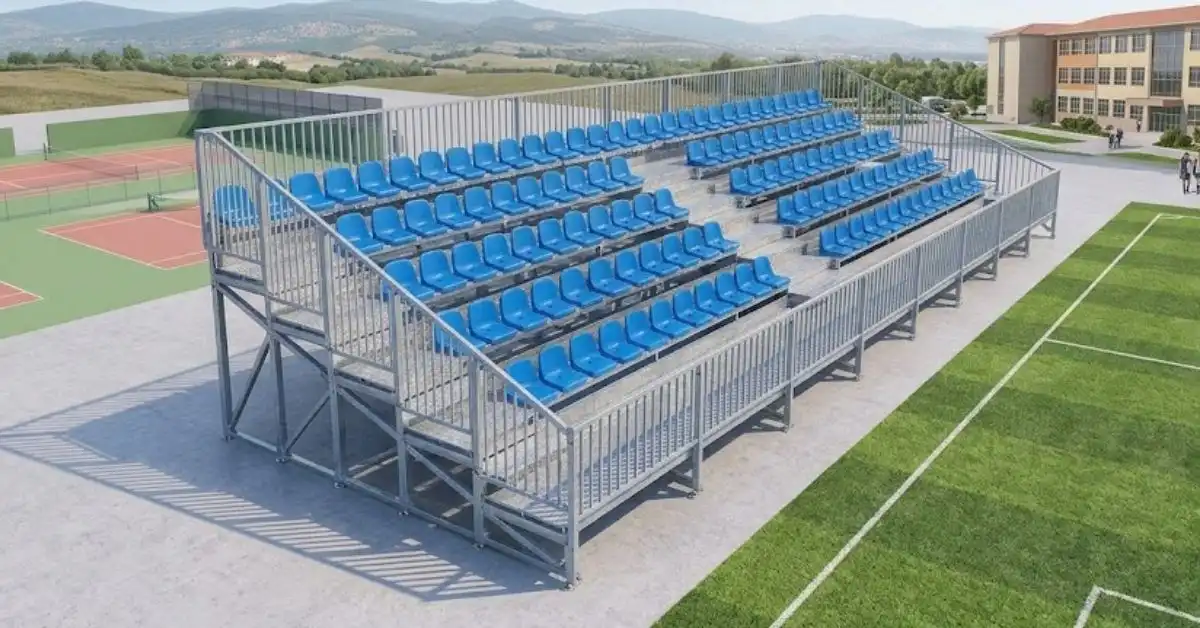
In school and facility management, avoiding long construction chaos and not risking student safety are primary priorities. Traditional concrete tribunes are no longer preferred in educational institutions due to high costs, long construction processes, and inflexible structures. Today, administrations choose modern steel tribune construction methods for their practicality and safety.
Advantages offered by steel structure tribunes to schools and sports facilities:
-
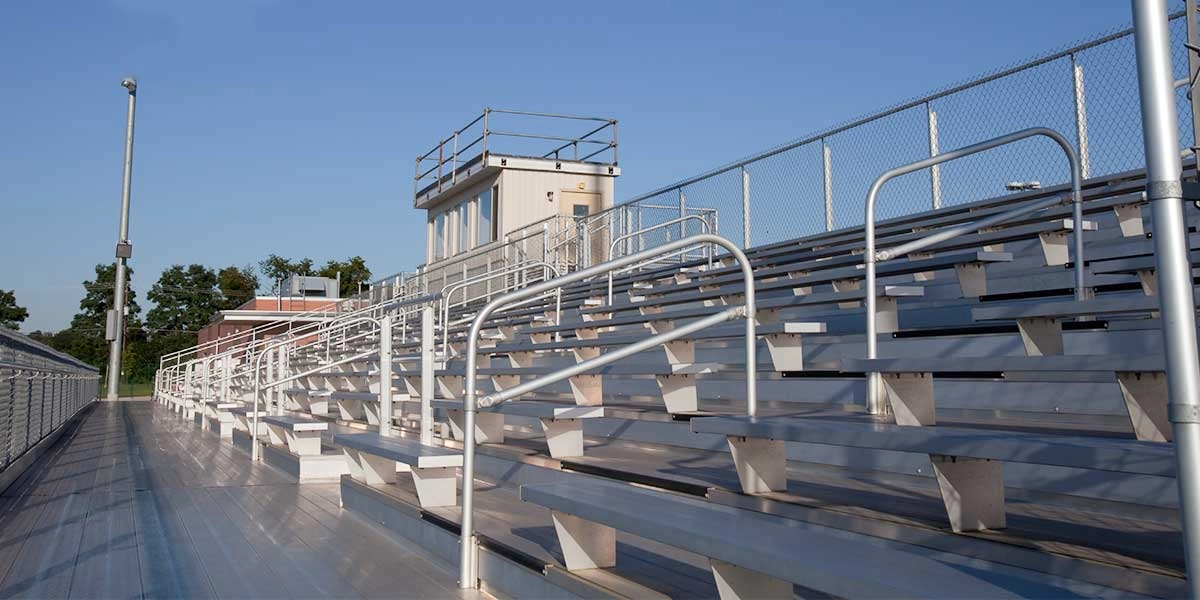
Fast and Safe Installation: Steel modules produced in factories using computer-aided systems (CNC) are assembled in schoolyards in a short time using bolted systems (demountable) without creating noise or hazardous construction waste.
-
High Seismic and Load Resistance: The flexible structure of steel offers safer engineering against dynamic loads created by students and fans, as well as earthquake risks, compared to concrete.
-
Sustainable and Portable Structure: When the location of the pitch changes within the campus or a new sports hall is built, steel tribunes can be easily dismantled and moved to the new area.
Flexible Solution for School Halls: Portable Tribune Seats
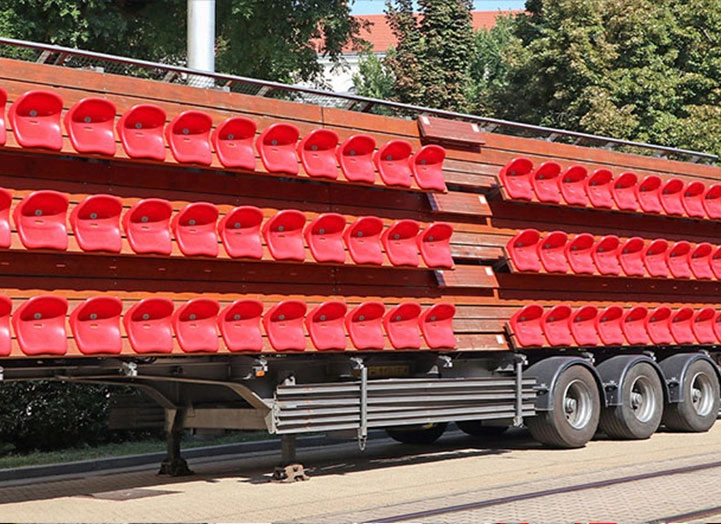
Multipurpose school sports halls or outdoor fields hosting seasonal events do not always require a fixed seating layout. Modular designs are the smartest solution for graduation ceremonies, inter-school tournaments, or theater shows. At this point, portable tribune seats and telescopic (retractable) tribune systems stand out.
Portable systems can be folded or slid into storage areas after events using their wheeled mechanisms. This leaves the sports hall floor completely open for physical education classes or training sessions. The locking mechanisms of the seats must be manufactured with high safety standards to ensure no shaking or slipping occurs while students are seated.
Choosing the Right Tribune Manufacturer for Facility Safety
Tribunes used in schools and public facilities are subject to strict safety rules as they directly affect human life. You must work with an international certified tribune manufacturer during the project process. Technical criteria a reliable manufacturer must provide:
-
EN 13200 Standards: Tribune riser heights, railing overturning resistance, and evacuation corridor calculations allowing students to leave the area quickly during emergencies must fully comply with the EN 13200 standard.
-
Hot-Dip Galvanized Coating: Steel parts must be galvanized according to TS EN ISO 1461 standards to prevent corrosion and rusting in outdoor school fields.
-
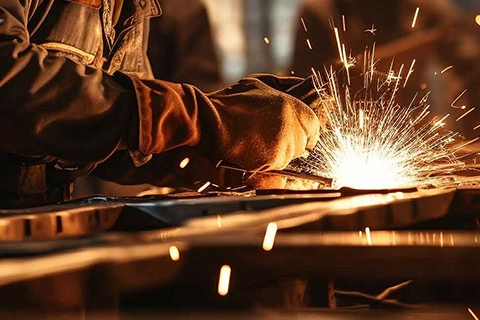
Certified Welding and Manufacturing: The production of load-bearing columns must be performed by certified experts according to EN ISO 3834 standards.
Selecting Durable Stadium Seats for Sale
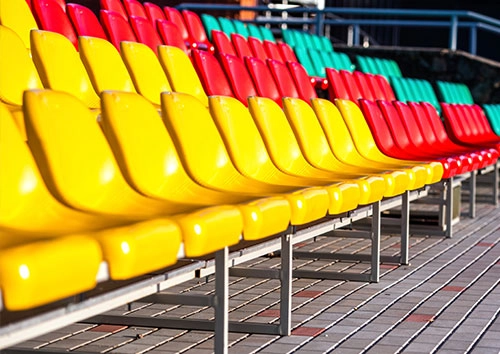
One of the most critical equipments determining the durability of tribunes is seat selection. To use the budget of schools and sports facilities wisely, the following criteria should be considered when choosing among stadium seats for sale on the market:
-
Impact and UV Resistance: High-density polypropylene (PP) or polyethylene (HDPE) raw materials with UV additives and high impact resistance should be selected to prevent breakage and color fading in areas exposed to heavy student use and sunlight.
-
Fire Retardancy (FR): Seats must have flame retardancy (V2/V0) certification due to safety requirements in school and public buildings.
-
Ergonomic and Hygienic Design: Ergonomic seat designs with water drainage holes in the center, easy to clean, and offering lumbar support should be preferred.