







Steel Tribunes Construction and Engineering
The global growth of the sports industry has made not only aesthetics but also structural safety and speed primary priorities in stadium architecture. In modern sports complexes and stadium construction projects, it is no coincidence that high-strength modular steel systems are replacing traditional reinforced concrete. A safe, long-lasting steel tribunes construction process that fully complies with the regulations of international sports federations (UEFA, FIFA, World Athletics) is an integrated civil engineering discipline operating within millimetric tolerances, extending from material science to dynamic load engineering.
Directly exposed to heavy human occupancy (live loads), dynamic oscillations caused by rhythmic fan movements, seismic waves, and extreme wind forces, these structures require flawless process management—from the processing stage of the raw material in the factory to the torque value of the final bolt on the construction site.
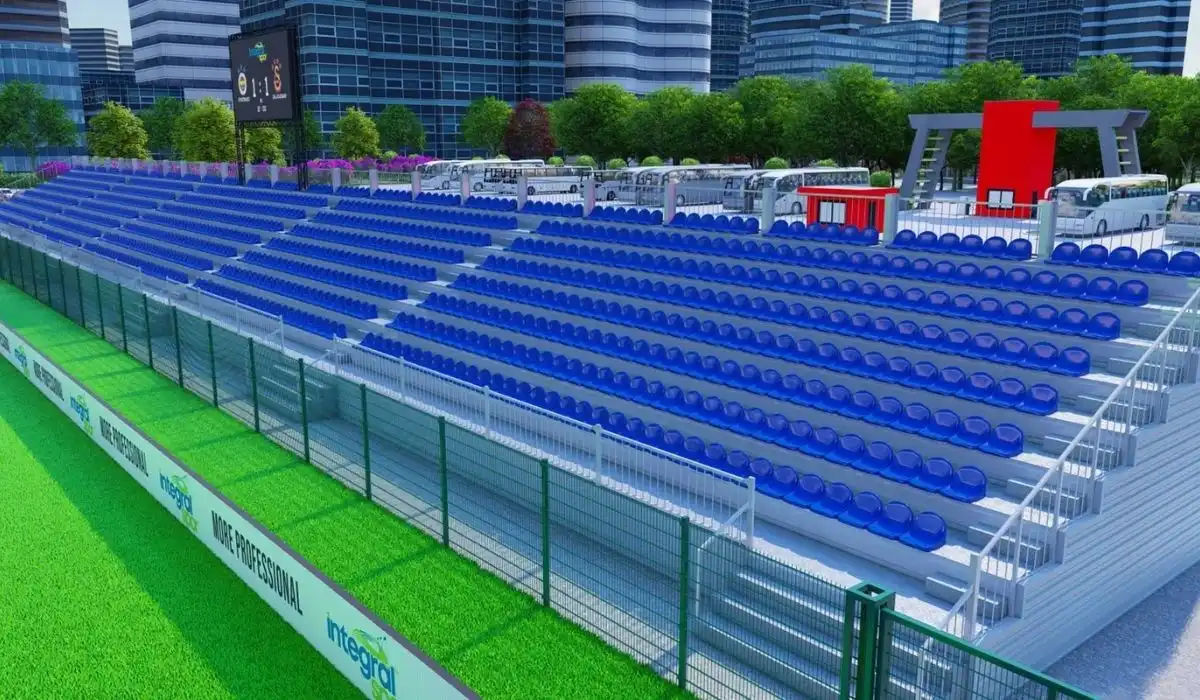
Steel Tribunes Construction Processes
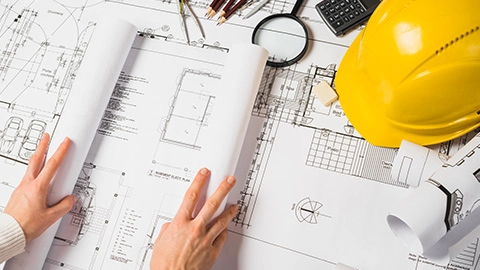
For a professional tribune manufacturer, production quality does not begin on the construction site but rather in computer-aided design (CAD/CAM) and CNC-controlled robotic lines at the factory. The construction of steel structure tribunes is carried out in four main sequential stages, each based on independent engineering calculations:
1. Soil Analysis, Axis Planning, and Anchor Engineering
For a tribune to safely transfer thousands of tons of load to the ground, a flawless soil mechanics calculation is required. First, the soil bearing capacity, groundwater level, and seismic coefficients of the project site are analyzed. In the light of the obtained data, the main load-bearing arteries where the steel columns will rest are determined.
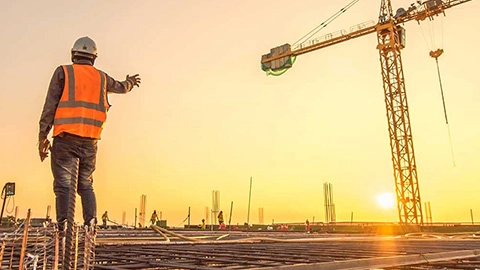
According to calculations made in static software, high-strength steel anchor bolts are placed into the ground with millimetric axis precision. To secure the structure against overturning under wind and riser loads, the chassis is locked to the ground using peripheral beam concrete and mat foundation engineering solutions. Since a 1 mm axis deviation in the infrastructure would make it impossible to assemble the steel frame in the superstructure, laser-guided measuring devices (Total Stations) are used during this stage.
2. Robotic Fabrication and Industrial Corrosion Protection
The vertical pylons, cross braces, beams, and ramp profiles that form the main backbone of the trihttps://www.stilastructure.com/products/seatingsbune are processed in the factory in accordance with Eurocode (EN 1993) standards. Structurally, Q235 or Q345 grade structural steels with high yield strength are preferred depending on the size and static requirements of the project. To prevent metal fatigue, rusting, and atmospheric corrosion in open-air stadiums, all steel components are subjected to hot-dip galvanization in accordance with EN ISO 1461 standards.
This process creates a protective zinc-iron alloy layer on the steel surface, ensuring that the structure maintains its initial structural integrity for a minimum of 10 years without requiring any maintenance, even in extremely humid, saline (coastal areas), or industrial climates.
3. Modular and Welding-Free On-Site Assembly Technology
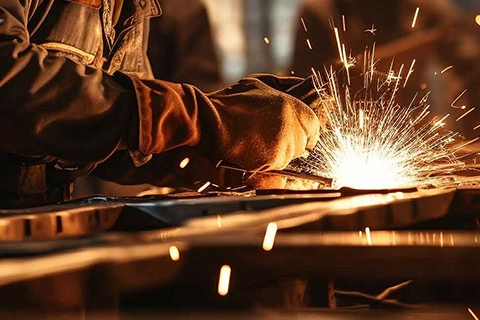
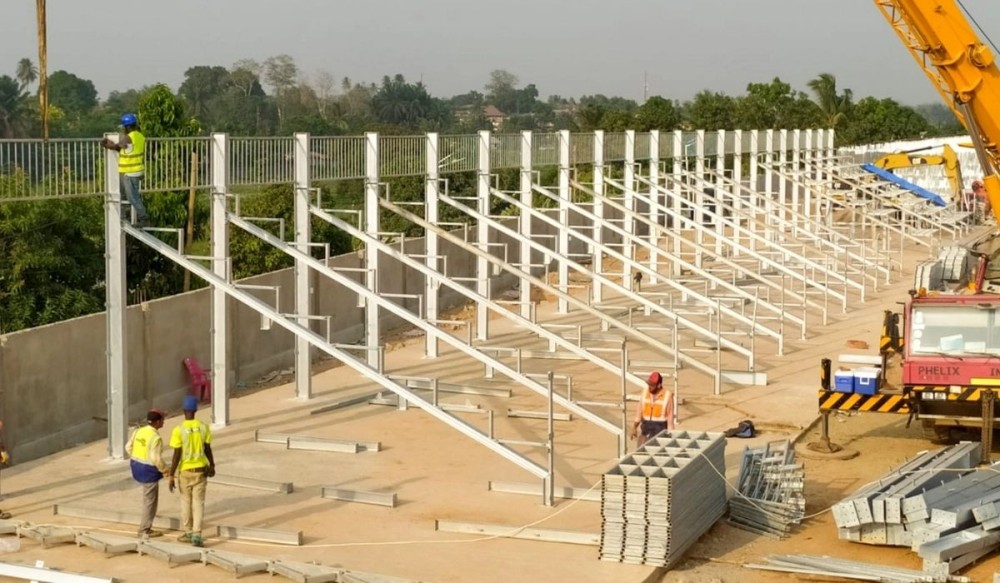
The modular parts, whose production and surface coating are completed in the factory, are shipped to the construction site in numbered logistics packages. The biggest advantage of modern steel tribune engineering is the complete elimination of on-site welding operations. All components are locked together on site using high-strength (Grade 8.8 or 10.9) torqued bolts and nuts.
Welding-free bolted connection technology not only accelerates the assembly speed of the tribune but also offers a vital structural advantage: when the structure is exposed to rhythmic dynamic loads caused by thousands of fans jumping simultaneously or to seismic movements, it gains the ability to flex at a micro-level thanks to the bolted connection points. This flexibility completely eliminates the risk of cracking and fracturing seen in reinforced concrete structures, as well as weld seam tearing in welded structures.
4. Roofed Tribune Integration and Wind Suction Simulations
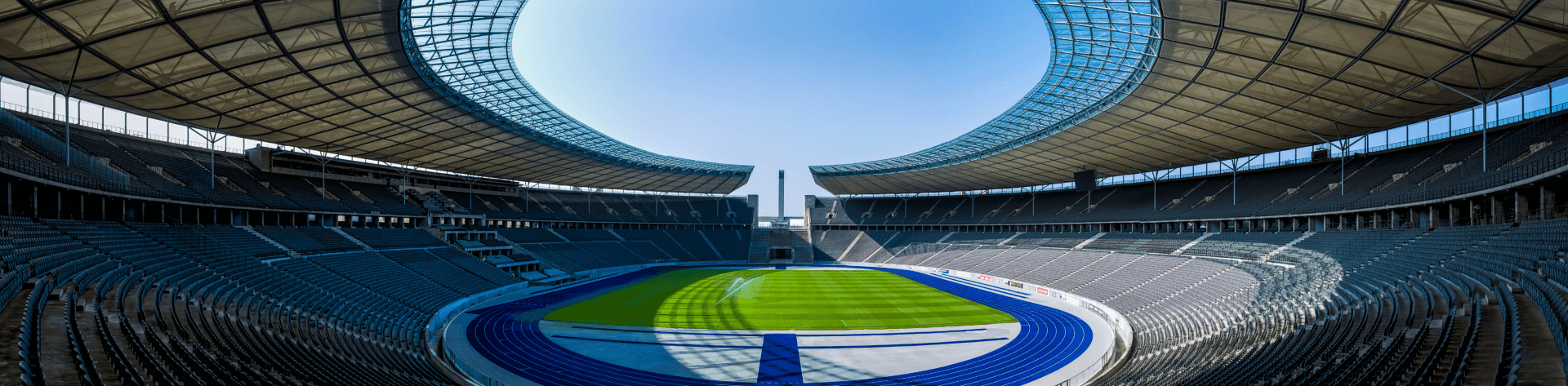
In line with investors' comfort expectations and the architectural prestige of the stadium, a roofed tribune area is constructed using wide-span cantilever beam systems integrated into the steel tribune body. The most critical parameters in roof engineering are the snow load combined with the lifting and suction forces created by the wind on the roof surface.
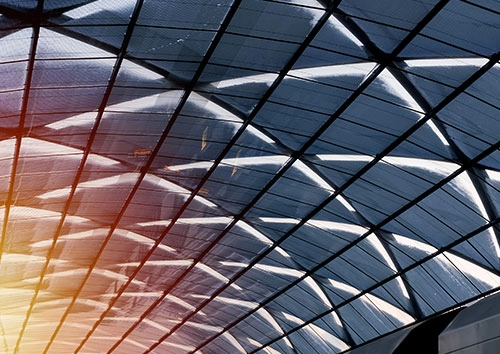
In open stadiums, wind enters from under the roof and attempts to lift the structure upward; this phenomenon is analyzed using Computational Fluid Dynamics (CFD) simulations in a digital environment. By using lightweight, UV-filtered, high-impact resistant polycarbonate sheets or acoustically insulated trapezoidal sheet panels as roof cladding materials, spectators are completely isolated from adverse weather conditions (excessive precipitation, direct sunlight).
Spectator Safety and Seat Selection
No matter how flawless the static engineering of a tribune project is, its compliance with international standards (UEFA and FIFA stadium guidelines) is measured by correctly positioned emergency evacuation corridors, riser-to-step ratios, and most importantly, the integration of stadium seats. To ensure that spectators can spend hours safely and comfortably, the following technical parameters form the basis of project specifications:
-
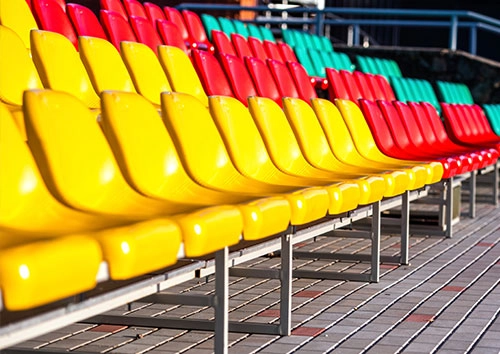
Mechanical Strength and Vandalism Protection: Against the high excitement of sports competitions and potential holiganism/vandalism risks, the seats to be mounted on the tribune steps or risers must have a Level 4 certificate—the highest level—under EN 12727 (Strength, impact, and fatigue tests) standards. Seats produced via injection technology from original UV-stabilized, anti-static polypropylene or copolymer raw materials are highly resistant to color fading, embrittlement, and cracking under intense sunlight.
-
Fire Safety and Flame Retardancy: Fire safety is a non-negotiable criterion in indoor sports halls and open stadiums where thousands of people gather. Accordingly, when procuring stadium seats for sale, it is an international requirement that the products possess flame-retardant properties of class V2 or V0 according to UL94 standards (self-extinguishing, non-dripping) thanks to additives infused into the raw material during production.
-
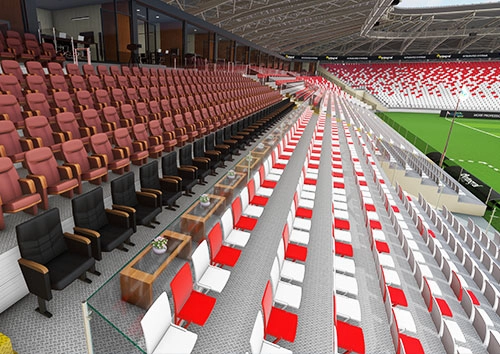
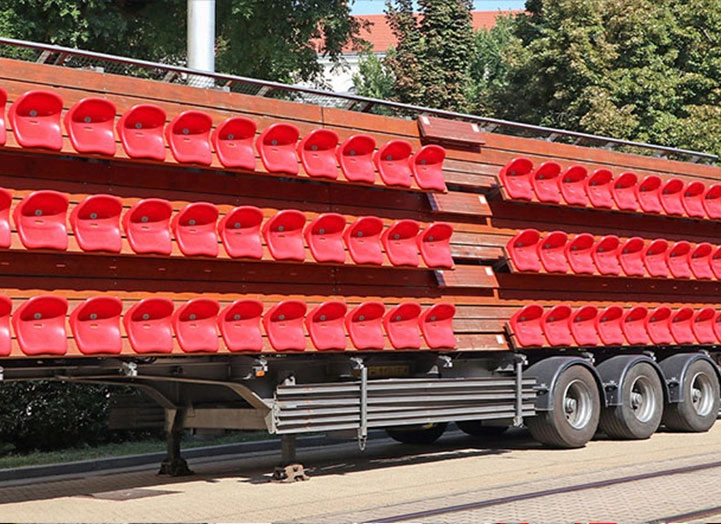
Ergonomics and Flexible Layout According to Tribune Type: Seat types should be optimized according to the intended use of the tribune. While backrest monoblock models are preferred for general tribunes, folding VIP mechanisms with gas springs and self-closing gravity centers are integrated for protocol and VIP areas. In multi-purpose halls, portable tribune seats with modular frames should be used to keep evacuation corridors at maximum width after events, provide ease of cleaning, and create flexibility. These seats must feature gravity-based drainage holes or water channels on the seating surface to prevent rainwater accumulation in open areas.
Heavy Industry Standards in Stadium Construction
Steel structure tribune projects are far more than just architectural trends; they are heavy industry and structural engineering applications that directly safeguard the lives of thousands of people. Any minor static deviation during the design phase, low-quality raw material procurement, or incorrectly torqued bolts can cause the structure to undergo metal fatigue in the future, leading to irreparable corporate and legal risks. Therefore, in permanent sports investments, the international engineering certifications held by the manufacturer represent the project's ultimate guarantee.
As Stila Structure, we add value to your stadium projects with our global experience in the steel construction sector and our manufacturing carried out in accordance with EN 1090-2 (EXEC3 class) standards in modern production lines. You can contact our professional engineering team immediately to get detailed technical information and the most suitable price quote for your budget regarding our turnkey steel tribune solutions tested under seismic waves, snow loads, and wind speed simulations, as well as our international standard stadium seats portfolio and custom static design support for your project.