









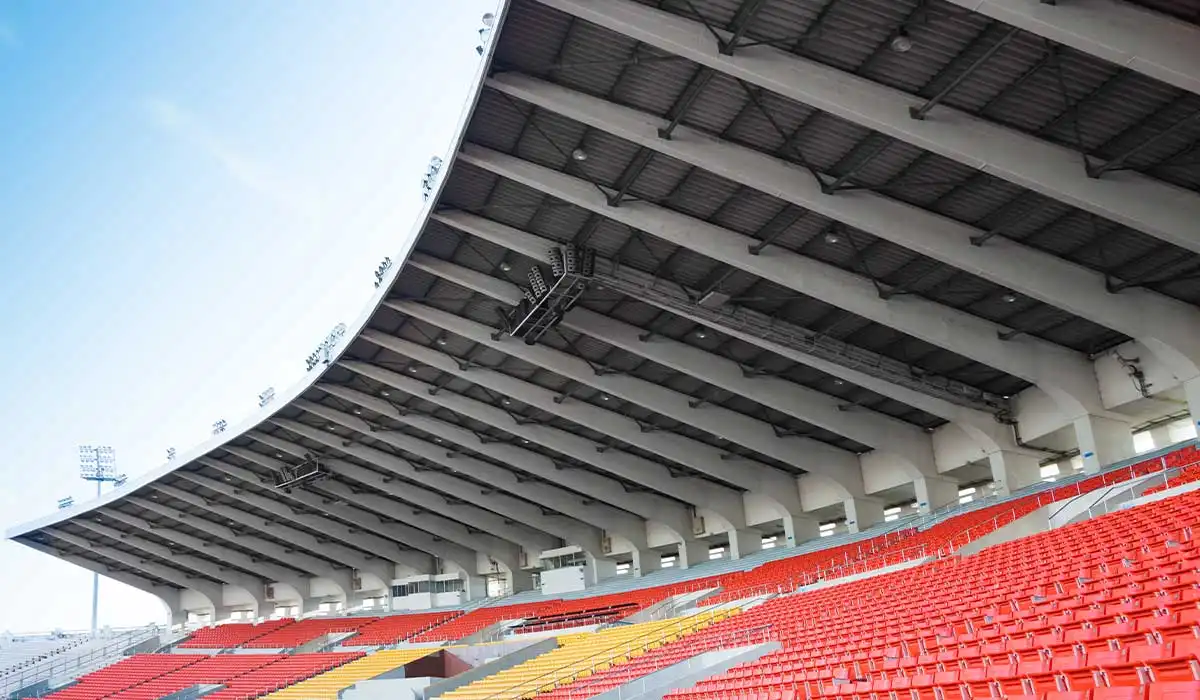
Roofed and Roofless Grandstand Construction
In modern sports facility projects, grandstands are no longer just seating structures. They play a crucial role in spectator comfort, safety, operational efficiency, and long-term return on investment. Choosing between roofed grandstand construction and roofless grandstand construction directly affects how often a facility can be used, how comfortable spectators feel, and how profitable the venue becomes over time.
For stadium owners, municipalities, sports clubs, and private investors, understanding the differences between roofed and roofless grandstands is essential. At Stila Structure, we design and manufacture both solutions based on climate conditions, project scale, usage frequency, and budget expectations.
What Is a Grandstand and Why Does It Matter?
A grandstand is a tiered seating structure designed to accommodate spectators during sports events, tournaments, ceremonies, and public gatherings. Modern grandstands are typically built using steel construction systems, which provide strength, flexibility, and fast installation.
Beyond seating capacity, grandstands influence the overall success of a sports facility by affecting:
- Spectator visibility and comfort
- Crowd safety and evacuation efficiency
- Event organization and audience engagement
- Commercial and sponsorship value
Grandstands can be permanent or temporary, fixed or mobile, and roofed or roofless. Selecting the right type determines how efficiently the facility operates throughout its lifecycle.
Roofed Grandstand Construction and Its Advantages
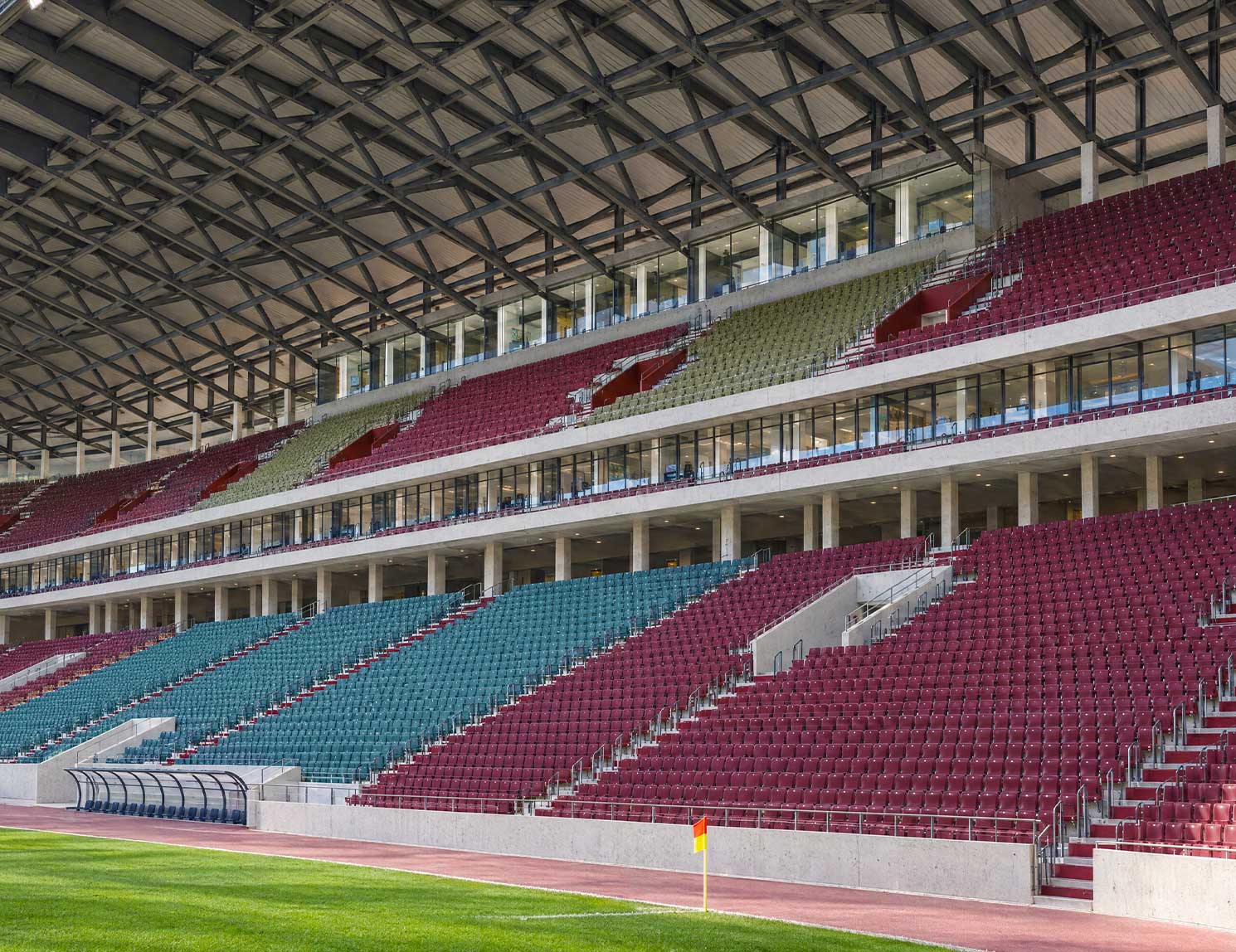
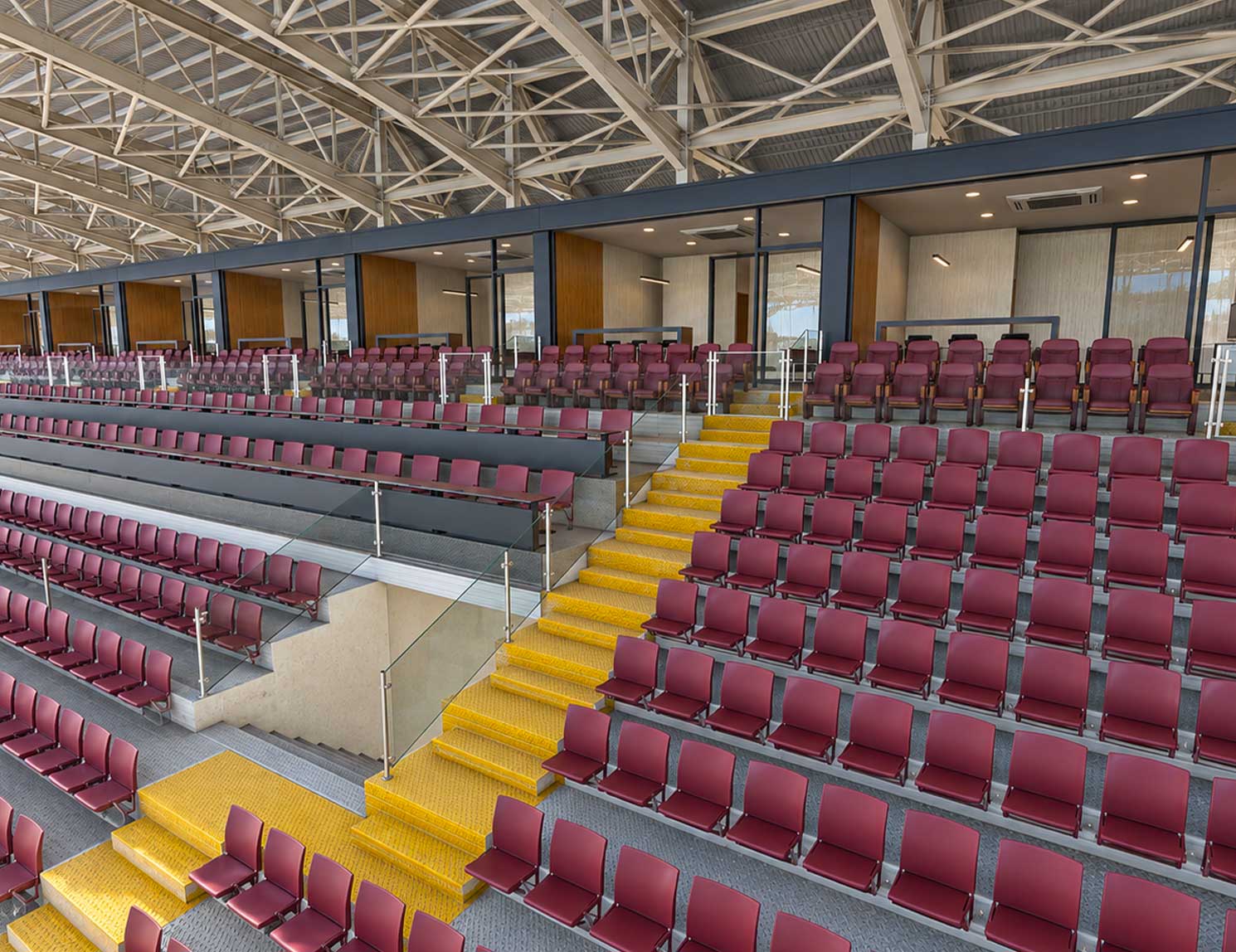
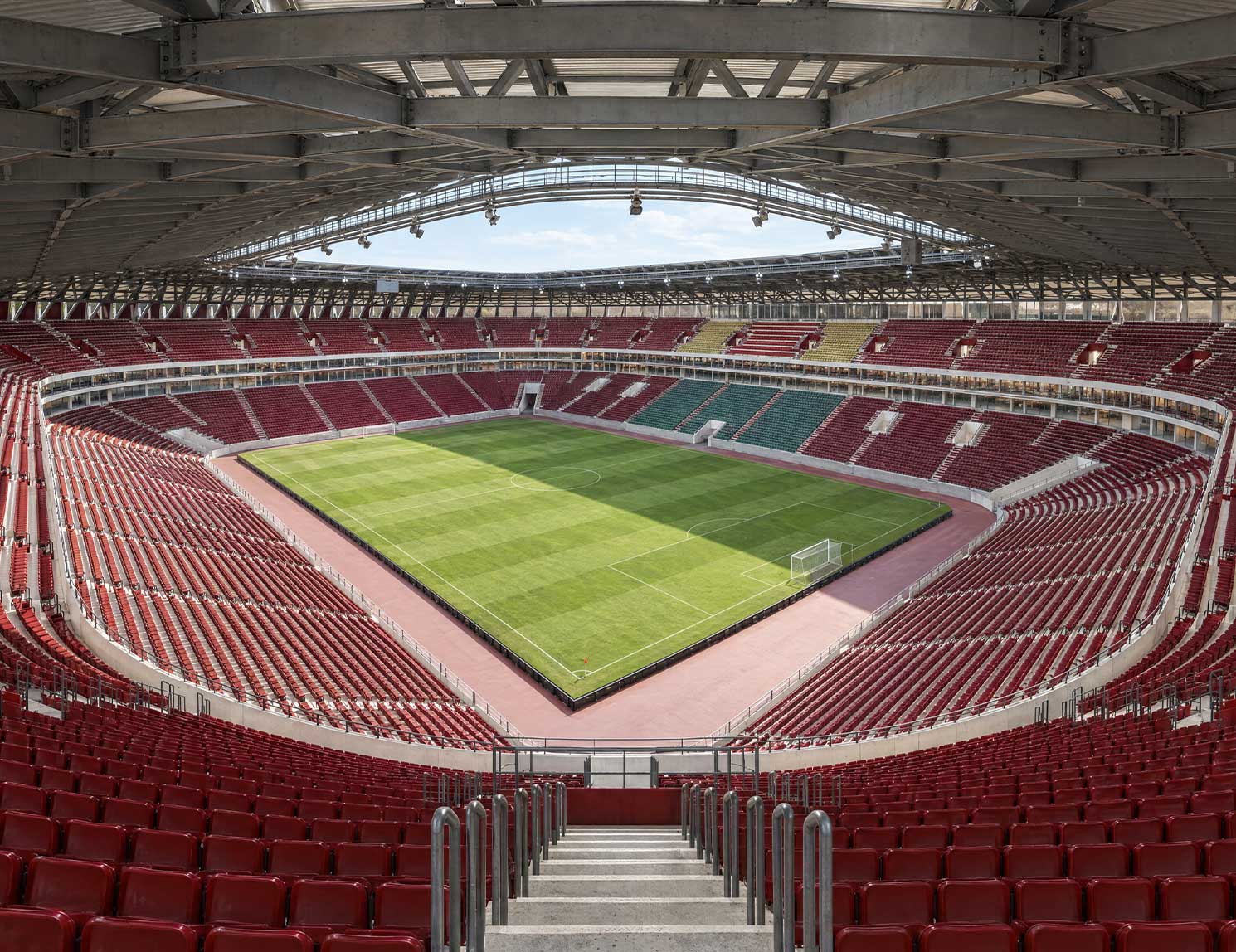
A roofed grandstand includes a structural roof system that covers spectator seating areas. These roofs are commonly constructed using steel frames combined with metal panels, membrane structures, or polycarbonate roofing systems.
Why Roofed Grandstands Improve Facility Performance
Roofed grandstands significantly enhance spectator experience and operational flexibility. Their main advantages include:
- Protection from sun, rain, wind, and snow
- Higher comfort levels that encourage longer stays
- Year-round usability regardless of weather conditions
- Increased ticket value and sponsorship potential
- Improved acoustics for ceremonies and concerts
By minimizing weather-related disruptions, roofed grandstands allow facilities to host events consistently throughout the year.
Where Roofed Grandstands Are Commonly Used
Roofed grandstand construction is widely preferred in:
- Professional football stadiums
- Athletics tracks hosting international competitions
- Municipal stadiums used for ceremonies and events
- Multi-purpose sports arenas
Facilities targeting broadcast standards, VIP seating, and premium spectator experience typically benefit most from roofed grandstands.
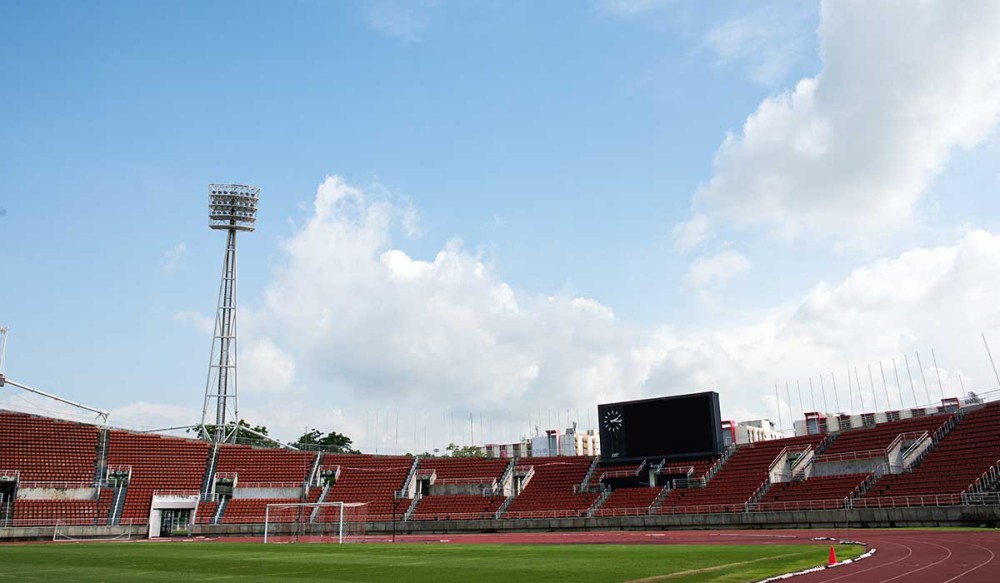
Roofless Grandstand Construction and Its Advantages
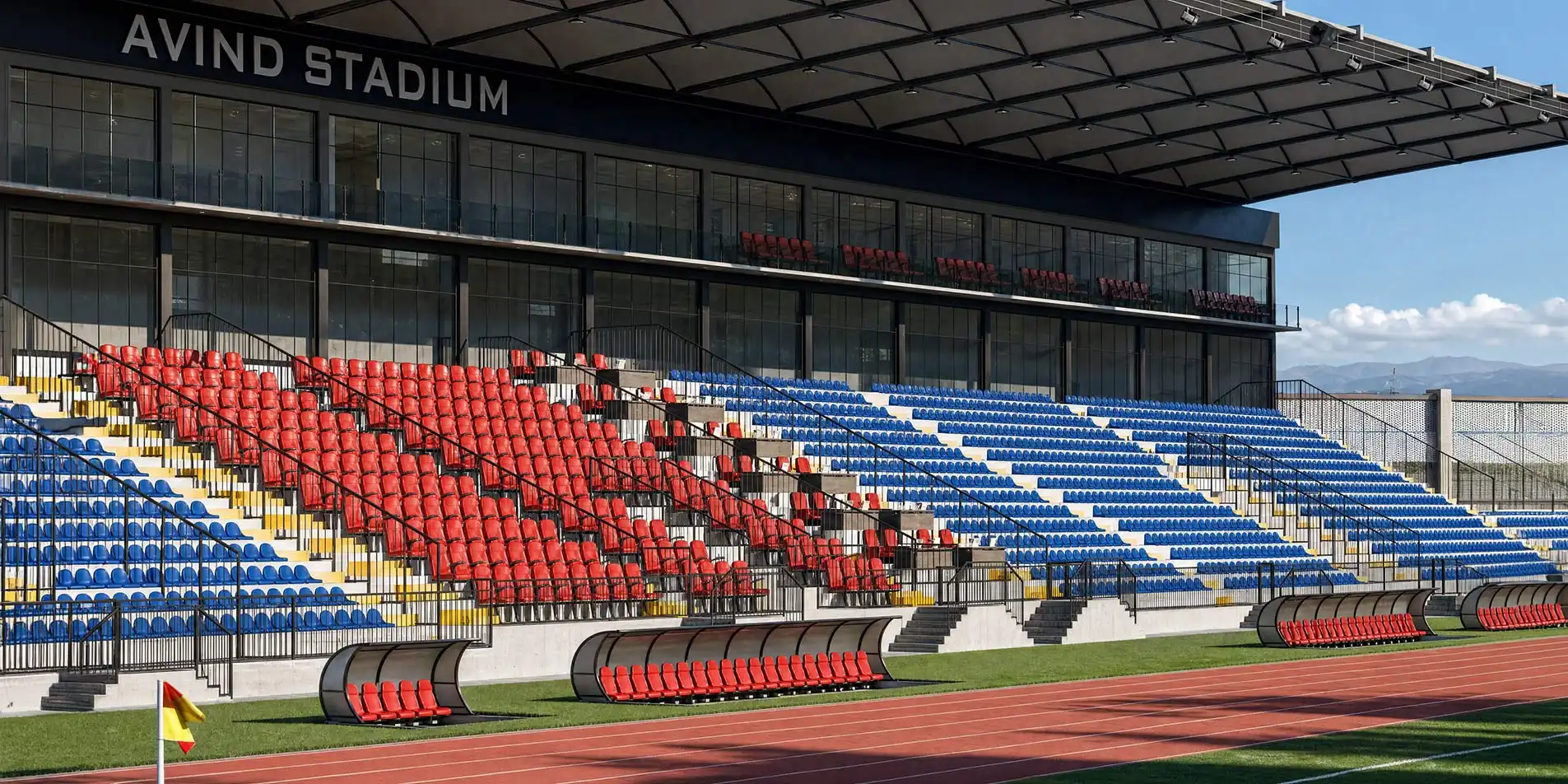
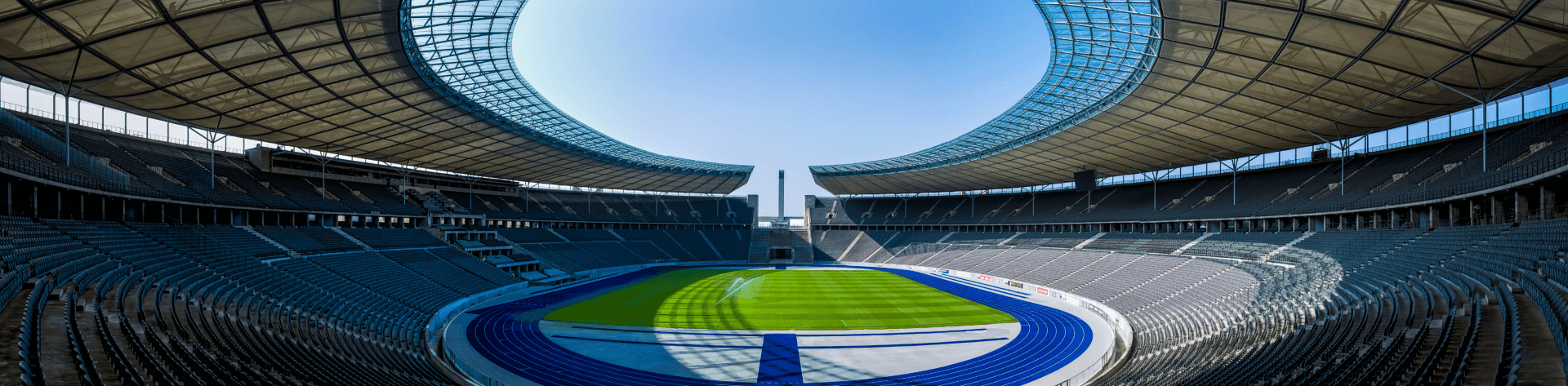
A roofless grandstand is an open seating structure without overhead coverage. These systems focus on functionality, cost efficiency, and fast delivery while maintaining safety and structural integrity.
Why Roofless Grandstands Are Cost-Effective
Roofless grandstands offer several practical benefits:
- Lower initial investment cost
- Faster production and installation timelines
- Minimal long-term maintenance requirements
- Modular and expandable seating capacity
- Clear, unobstructed sightlines
Because fewer structural components are required, roofless grandstands are ideal for projects with limited budgets or tight schedules.
Where Roofless Grandstands Are Most Suitable
Roofless grandstands are commonly used in:
- Training fields and amateur sports facilities
- School and university stadiums
- Temporary or seasonal event venues
- Community sports grounds and local tournaments
For projects prioritizing speed, flexibility, and affordability, roofless grandstand construction is a practical solution.
Roofed vs Roofless Grandstands: Making the Right Choice
Deciding between roofed and roofless grandstands depends on several key factors:
- Climate and seasonal weather conditions
- Frequency and scale of events
- Budget limitations and ROI expectations
- Long-term maintenance strategy
- Sponsorship and broadcasting requirements
Roofed grandstands provide higher comfort and year-round usability, while roofless grandstands offer faster installation and lower costs. The correct choice aligns the grandstand type with the facility’s long-term operational goals.
Steel Construction Systems in Grandstand Projects
Both roofed and roofless grandstands rely on steel construction systems as their structural backbone. Steel provides:
- High load-bearing capacity
- Resistance to wind and seismic forces
- Long service life
- Precision manufacturing
- Modular and demountable design options
At Stila Structure, all grandstands are engineered according to international safety standards, ensuring structural stability and fast on-site assembly.
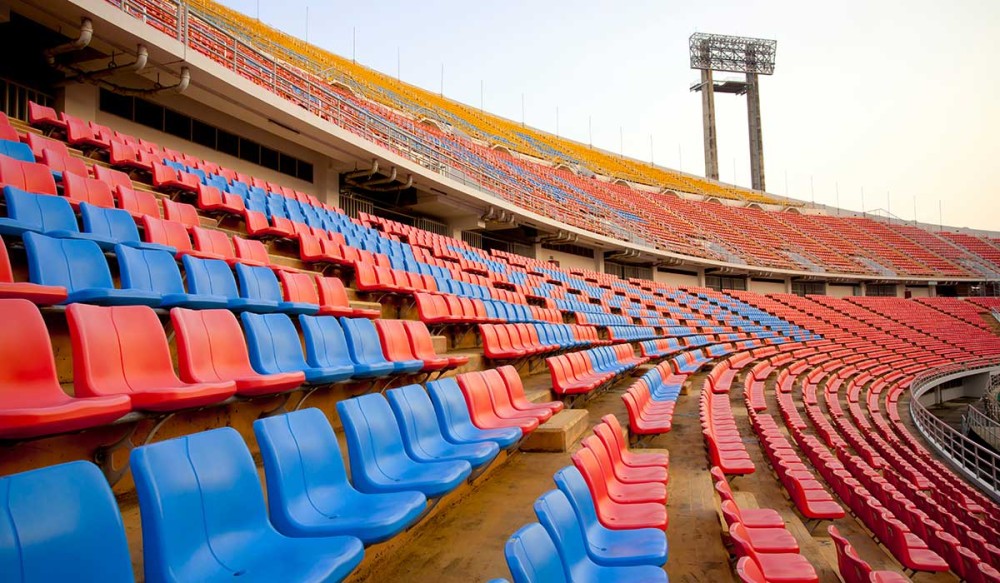
Modular and Mobile Grandstand Solutions
Modern sports facilities increasingly require modular grandstand systems that can adapt to changing needs. Both roofed and roofless grandstands can be designed as:
- Modular steel units
- Mobile grandstands
- Temporary event structures
This flexibility allows capacity expansion, relocation, or reconfiguration without major reconstruction, making modular solutions ideal for multi-purpose venues and international events.
How to Choose the Right Grandstand for Your Project?
Before selecting a grandstand system, project owners should evaluate:
- Local climate and environmental conditions
- Expected number of events per year
- Budget and investment return targets
- Maintenance and operational planning
- Future expansion requirements
Facilities aiming for premium experiences and continuous operation benefit more from roofed grandstands, while cost-focused and fast-track projects often prefer roofless solutions.
Why Choose Stila Structure for Grandstand Construction
Stila Structure provides turnkey grandstand construction solutions, including:
- Architectural and structural design
- Steel manufacturing and fabrication
- Seating systems and roofing options
- Professional on-site installation
With over 25 years of experience, Stila Structure delivers durable, safe, and efficient grandstands for sports and event facilities worldwide.
Building the Right Grandstand for Long-Term Success
Choosing between roofed and roofless grandstand construction is both a technical and strategic decision. The right grandstand enhances spectator satisfaction, improves operational efficiency, and increases the long-term value of the facility.
With expert engineering, modular production capabilities, and a commitment to quality, Stila Structure helps you build grandstands that perform reliably today and remain valuable for years to come.